
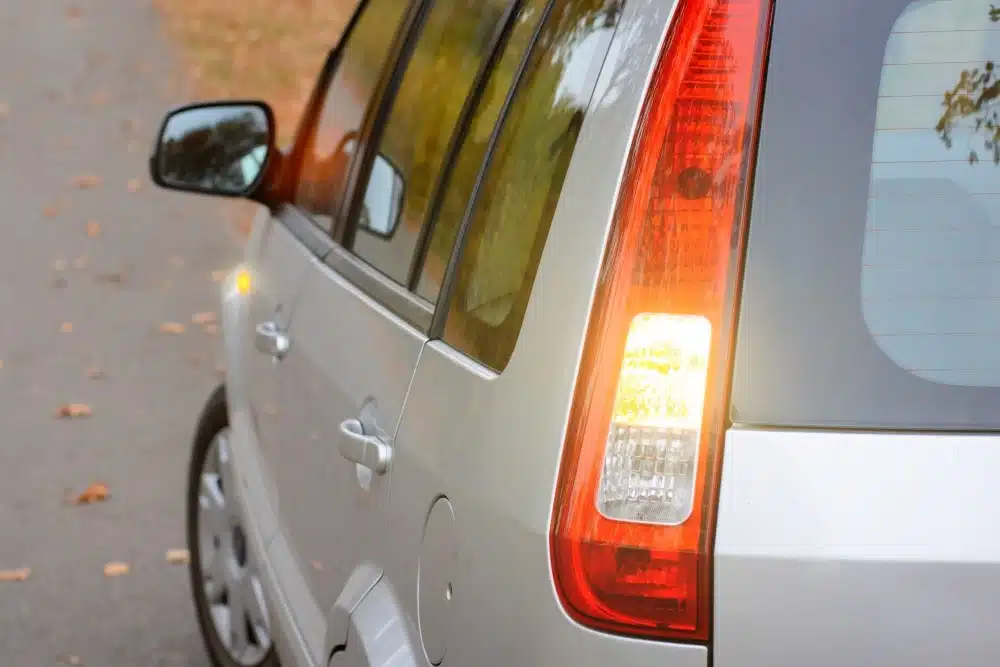
In Minnesota, drivers may turn right at a red light after coming to a complete stop, unless a posted sign prohibits the turn. The driver must yield to pedestrians and oncoming traffic before entering the intersection.
When a crash happens during a right turn on red, fault often depends on whether the driver stopped and yielded as required by law. A car accident lawyer in Minnesota can review traffic camera footage, police reports, and witness statements to determine who had the legal right of way.
Right-on-red crashes often involve pedestrians, cyclists, and vehicles traveling straight through the intersection. These cases can raise complex liability questions. At Nelson Personal Injury, LLC, we help injured clients understand their rights and legal options.
Although our firm is based in Minnesota, we regularly explain how state-specific traffic laws impact injury claims. Knowing how the law works can protect you after a serious collision.
What Minnesota Law Says About Right On Red
Minnesota law permits right turns on red after a full stop. The governing rule appears in Minnesota Statutes Section 169.06. The driver must stop before the crosswalk or stop line. If there is no marked line, the driver must stop before entering the intersection.
After stopping, the driver must yield to pedestrians, cyclists, and vehicles approaching from the left that pose an immediate hazard. If a sign reads “No Turn On Red,” the driver must wait for a green signal. Failing to follow these rules may result in a citation and civil liability.
Key Legal Requirements Under Section 169.06
- Come to a complete stop.
- Yield to pedestrians in the crosswalk.
- Yield to oncoming traffic.
- Obey posted No Turn On Red signs.
When A Right On Red Turn Becomes Negligent
Turning right on red is legal. Doing it carelessly is not. Negligence occurs when a driver fails to use reasonable care under the circumstances.
Examples Of Negligent Conduct
- Rolling through the stop without fully stopping.
- Looking only to the left and ignoring pedestrians.
- Accelerating quickly without checking blind spots.
- Turning when traffic conditions are unsafe.
In a civil injury claim, the key question is whether the driver violated the statute or failed to act as a reasonable driver would. A Minnesota auto accident attorney will examine whether the legal duty to stop and yield was breached.
How These Rules Affect Accident Claims In Minnesota
Traffic laws vary by state. However, liability principles often overlap. Courts evaluate whether a driver obeyed traffic control signals and exercised reasonable care.
If a Minnesota driver violates a red light rule and causes injury, that violation can serve as evidence of negligence. Courts may consider the statute as a standard of care. Our attorneys explain how these concepts apply to injury claims handled in Minnesota and beyond.
Evidence That Matters In A Red Light Accident Case
Strong evidence often determines the outcome of a claim. In right-on-red cases, small details matter.
Police Crash Reports
Officers often note whether a driver admitted to turning on a red. They may document skid marks, impact points, and witness statements.
Traffic Camera Footage
Some intersections record signal phases and vehicle movement. The video can show whether the driver stopped fully.
Witness Testimony
Bystanders may confirm whether a pedestrian had the walk signal or whether a vehicle rolled through the stop.
Vehicle Damage Patterns
Damage location can indicate whether the turning vehicle struck a pedestrian in the crosswalk or collided with a vehicle that had the right-of-way.
Medical Records
Immediate treatment records link injuries directly to the crash.
A Minneapolis red light accident attorney will often act quickly to preserve this evidence before it disappears.
Comparative Fault In Minnesota
Minnesota follows a modified comparative fault system under Section 604.01 of the Minnesota Statutes. An injured person may recover damages, provided they are no more than 50% at fault.
How Comparative Fault Impacts Compensation
If an injured person is 20% at fault, their recovery is reduced by 20%. If they are 51% at fault, they cannot recover damages.
Right-on-red crashes often involve disputed facts. An accident lawyer in Minnesota can challenge unfair fault assignments and protect your claim.
Practical Steps After a Right-On-Red Crash
The actions taken immediately after a collision can affect a future claim.
Seek Medical Attention
Even minor symptoms can indicate serious injury. Prompt treatment creates documentation.
Call Law Enforcement
An official report provides an objective record of the event.
Document The Scene
Photograph traffic signals, skid marks, vehicle positions, and visible injuries.
Identify Witnesses
Obtain names and contact information. Independent witnesses often carry significant weight.
Avoid Detailed Statements To Insurers
Insurance adjusters may attempt to secure recorded statements early. Consult counsel before discussing fault.
These steps apply whether the crash occurs in Minnesota. Early documentation strengthens your position.
Common Mistakes Drivers Make At Red Lights
Many drivers misunderstand right on red rules. The most common mistake is failing to come to a complete stop. A rolling stop violates the statute and increases collision risk.
Another mistake is focusing only on traffic approaching from the left. Drivers often fail to check for pedestrians crossing from the right. This oversight frequently leads to severe pedestrian injuries.
Drivers also misjudge the speed of oncoming traffic. Turning too aggressively into traffic can cause side impact collisions.
When To Contact A Lawyer
Not every minor accident requires legal action. However, you should consider speaking with a car accident lawyer in Minnesota if any of the following apply.
Situations That Warrant Legal Guidance
- Serious or permanent injuries.
- Disputed liability.
- Comparative fault allegations.
- Insurance denial or delay.
- Multiple vehicle involvement.
At Nelson Personal Injury, LLC, we provide clear guidance on your options. We focus on facts, evidence, and applicable law.
Speak With The Right Legal Advocate
Right-on-red accidents may seem straightforward. They rarely are. Fault often depends on seconds of timing and precise statutory interpretation.
If you need guidance, speak with a Minnesota car accident lawyer who understands traffic signal liability. You may also consult a Minneapolis red light accident attorney to review local enforcement practices and intersection data. Early legal advice protects your rights and preserves evidence.
Frequently Asked Questions
Is It Always Legal To Turn Right On Red In Minnesota?
No. Drivers must stop fully and yield before turning. If a sign prohibits the turn, the driver must wait for green.
Who Is At Fault In A Right On Red Accident?
Fault depends on whether the turning driver stopped and yielded properly. Evidence determines liability in each case.
What If A Pedestrian Was Not In The Crosswalk?
Minnesota law protects pedestrians in marked or unmarked crosswalks. Location and signal phase matter when assigning fault.
Can I Recover Damages If I Was Partially At Fault?
Yes, if you are not more than 50 percent responsible. Compensation is reduced by your fault percentage.
How Long Do I Have To File A Claim?
Personal injury claims in Minnesota generally have a six-year statute of limitations. Certain cases may differ depending on circumstances.
Key Takeaways
- Right turns on red require a complete stop.
- Drivers must yield to pedestrians and traffic.
- Statutory violations can establish negligence.
- Comparative fault reduces compensation.
- Early evidence collection is critical.
- Insurance companies often dispute fault.
- Legal guidance strengthens complex claims.